The Site is the Strategy: Why Hospitality Starts with Place
As wellness travel evolves beyond treatment rooms and fitness centres, the most compelling hospitality experiences are rooted in the specifics of a place – its landscape, climate, culture, history and ecology. At 10 Design, this place-led approach sits at the heart of how we think about wellness in hospitality design.
This year, we joined our partners at TLEE Spas + Wellness on a panel at HD Expo titled ‘Site as Strategy: The Architecture of Wellness’. The conversation reinforced what both teams have long believed and practised across collaborative projects – and the insights below reflect these shared perspectives.
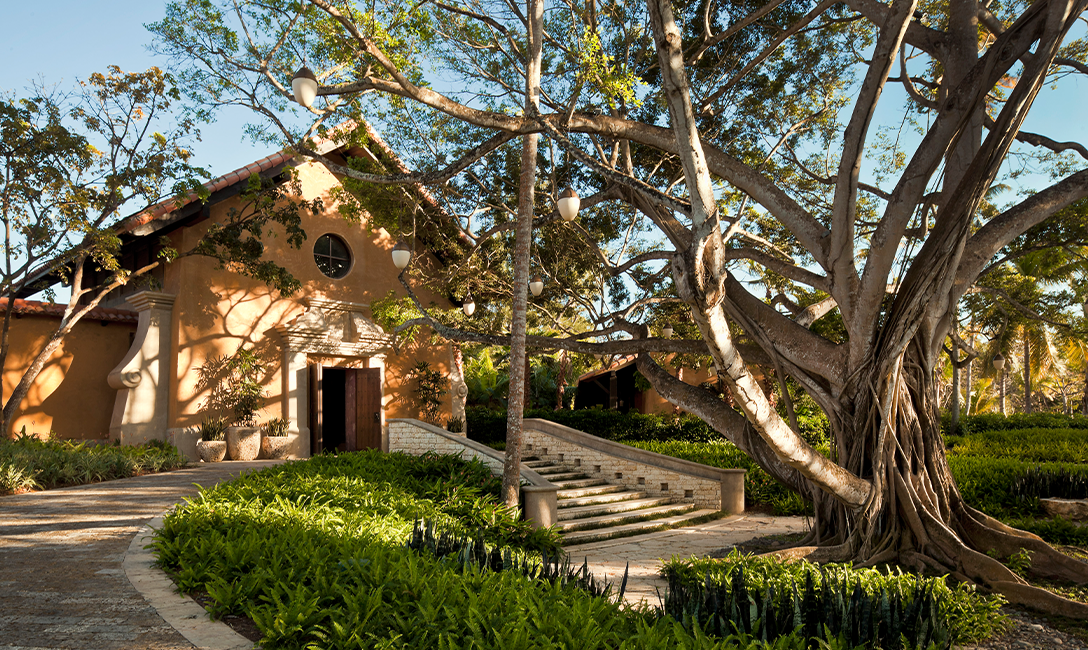
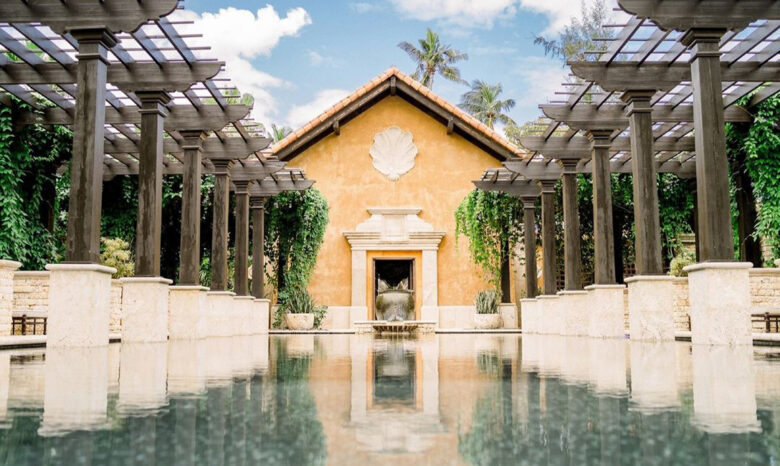
Through our award-winning projects around the world, it’s become clear that site-responsive design creates more meaningful guest experiences, stronger commercial performance and destinations that simply cannot be replicated elsewhere. This is true for projects like Nekajui, a Ritz-Carlton Reserve, situated on a UNESCO-protected Guanacaste conservation area in Peninsula Papagayo, Costa Rica, and Spa Botanico at Dorado Beach, a Ritz-Carlton Reserve – a choreographed decompression space filled with local botanicals actively transformed into indigenous healing remedies, anchored by a banyan tree.
Rather than imposing a design concept onto a location, the most successful projects allow the site itself, and its natural topography and culture, to shape everything from architecture and circulation to wellness programming and guest rituals. The following are key insights into this approach:
Methodology for site investigation
We begin every project with extensive environmental analysis – from Nekajui’s UNESCO site to Treehouse Silicon Valley’s adaptive reuse strategy. The team works alongside landscape consultants to map existing trees, wildlife habitats, ecological corridors, viewsheds and terrain conditions before determining where buildings should be placed. Beyond the blueprint, the unique factors of a site ultimately inform everything from guest circulation and accommodation placement to the resort’s most memorable experiential features.
TLEE follows a similarly immersive process through its site discovery methodology. Before developing wellness concepts, the firm studies local ecosystems, cultural traditions, native botanicals, grid energetics, guest demographics and competitive market conditions. This research informs everything from treatment menus and wellness programming to operational strategy and guest flow. Across destinations including Hawaii, Napa Valley, Puerto Rico and Los Cabos, TLEE’s work demonstrates how understanding a place at a deeper level leads to experiences that feel authentic.
When designers allow the site to guide decision-making, the result is often something guests immediately recognise as genuine. The property feels connected to its surroundings because it was shaped by them from the very beginning. And as an added benefit, it creates some of the most landmark visuals or experiences. This leads to the ability for investors to command a premium.
Site-responsive design is good business – and good stewardship
Designing in response to a site’s natural and cultural context is often viewed as an artistic or environmental choice, but it is increasingly a strategic business decision. Resorts that embrace their surroundings create stronger identities, command premium rates, generate organic marketing and build deeper emotional connections with returning guests.
Owners and developers face a marketplace where travellers have endless options. Properties that feel interchangeable often compete on price and service alone. By contrast, resorts that offer experiences rooted in place create a competitive advantage that is difficult to replicate. Many of the hospitality industry’s most successful destinations are memorable precisely because they embraced site constraints rather than fighting them.
Nekajui demonstrates how environmental challenges can become defining guest experiences. Integrating sustainability considerations – including habitat preservation, biodiversity protection, tree surveys and local sourcing strategies – into the planning process from the outset is not only responsible, it is commercially sound. What could have been viewed as development limitations ultimately became some of the resort’s most distinctive and marketable features.
For TLEE, environmental responsibility and wellness are increasingly interconnected. Modern travellers understand that personal well-being is linked to the health of the surrounding environment. As a result, wellness destinations are moving beyond simply minimising environmental impact and toward creating experiences that actively strengthen guests’ relationships with nature. Whether through outdoor wellness programming, native landscaping, cultural stewardship or environmentally conscious operations, sustainability is becoming a core component of the wellness experience itself.
The strongest hospitality projects today succeed because they achieve both goals simultaneously: they create unforgettable guest experiences while respecting and celebrating the places that make those experiences possible.
Authenticity creates experiences that cannot be replicated
In a hospitality market filled with luxury amenities, true differentiation increasingly comes from creating experiences that are inseparable from their location. Travellers are no longer looking for resorts that could exist anywhere – and while brand loyalty may boost a location, destinations are increasingly site-specific rather than brand-specific.
Authenticity also extends to materiality and craftsmanship. Sourcing from regional artisans reinforces a sense of place while supporting local communities. These decisions create richer guest experiences by connecting visitors to the people, traditions and stories that make a destination feel genuinely meaningful.
TLEE applies the same philosophy to wellness design. Rather than replicating a standard spa model across multiple destinations, the firm develops concepts informed by local healing traditions, regional narratives, indigenous ingredients and environmental characteristics. At Kilolani Spa in Maui, wellness programming draws inspiration from Hawaiian culture and the island’s natural rhythms. Across its broader portfolio, TLEE consistently seeks opportunities to collaborate with local practitioners, artisans, growers and cultural experts to create experiences that feel native to their surroundings.
Wellness begins long before the spa
For decades, wellness in hospitality was largely confined to a dedicated facility: the spa. One of the biggest shifts in hospitality and wellness is that it has become holistic, woven into the guest journey long before anyone enters a treatment room. Today’s travellers experience wellbeing through the arrival sequence, the materials of the architecture, the landscape, access to nature and opportunities for movement and discovery.
For TLEE Spas + Wellness, projects across their portfolio begin with this philosophy. Projects such as Kilolani Spa in Maui demonstrate how wellness can creatively extend through outdoor experiences, hydrothermal journeys, cultural rituals and programming inspired by local traditions. TLEE develops wellness ecosystems that engage guests throughout the property and connect them more deeply to the destination. The result is a more holistic and memorable experience – one that stays with the guest long after they leave.
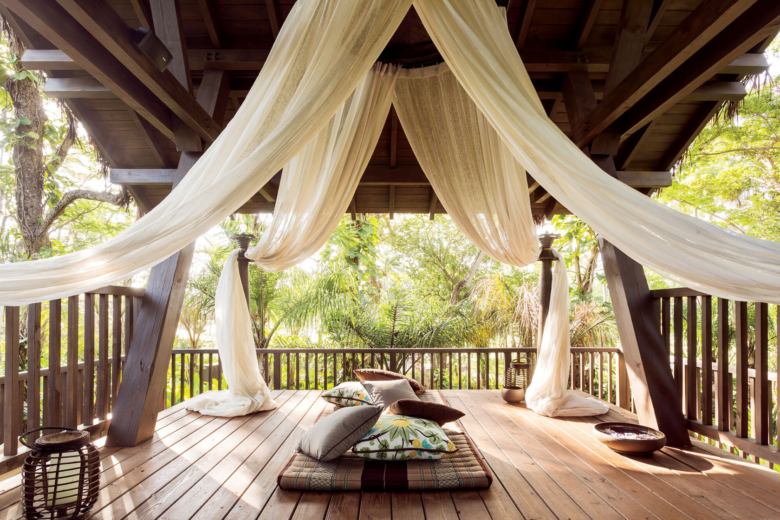
For all our projects, but inherently important for preserved destination and adaptive reuse projects, we curate wellness journeys through the site itself. At Nekajui, a Ritz-Carlton Reserve, our teams approached challenges of a traditional model as an outlet for creativity that gave rise to impactful design. The steep grade of the terrain created the beloved rope bridges, and preservation of the view gave way to the treetop tents. These outdoor elements created the added benefit of immersing guests in Costa Rica’s natural environment.
The landscape guides the blueprint. The blueprint doesn’t guide the landscape.
The most successful hospitality destinations will be those that resist the temptation to impose a formula and instead allow the character of a place to lead. Whether through architecture shaped by topography, wellness programming informed by local traditions, or guest experiences rooted in the natural environment, site-responsive design creates destinations that feel more authentic, more restorative and ultimately more memorable. For owners and developers, this approach delivers meaningful differentiation in an increasingly competitive market. For guests, it creates the rare opportunity to experience something that could exist nowhere else. In a market where travellers are seeking deeper connections to both themselves and the destinations they visit, the site itself has become one of hospitality’s most valuable assets.